
Best Beginner Fly Fishing Setup: What I Actually Use
Reggie Thompson · May 7, 2026 · 5 min read
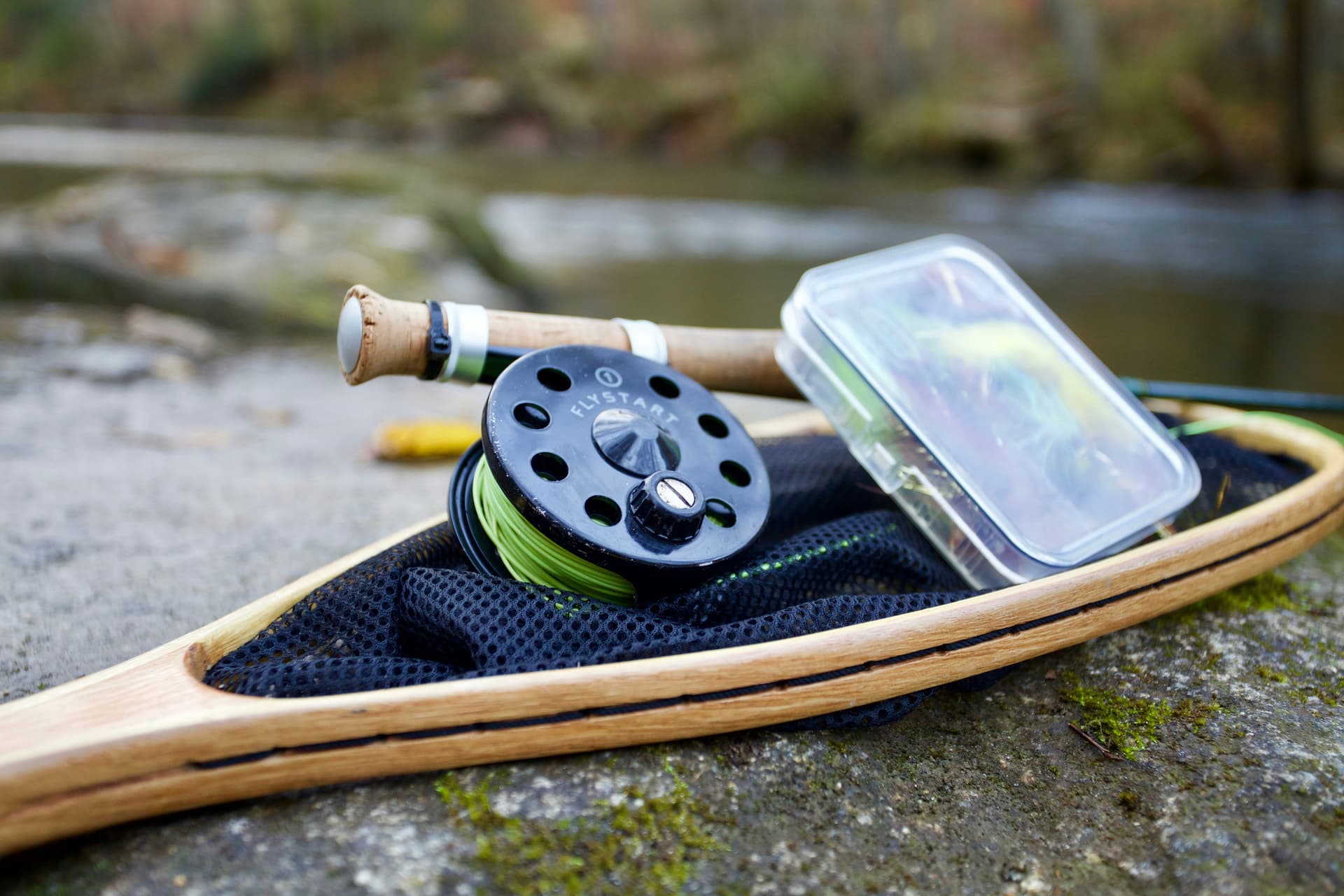
When I decided to learn fly fishing in my mid-30s, I had no idea what to buy. I knew the rod and reel were connected and there was a line involved. That was about it.
I spent a lot of time on forums trying to understand the terminology. I asked questions at fly shops. I eventually landed on an Orvis setup that I've been fishing ever since. Looking back, I'd make the same choice. But I'd make it faster.
Here's the setup I'd put together if I were starting from scratch today.
Start with the Rod and Reel Outfit (Not Individual Pieces)
The honest beginner advice: don't buy rod, reel, line, backing, and leader separately. Buy an outfit that comes with everything matched and spooled.
The reason is simple. The components have to work together. A 5-weight reel needs a 5-weight line. The leader needs to be the right length for the kind of fishing you're doing. Getting all of this right as a beginner is both confusing and easy to get wrong. An outfit removes that problem.
My pick: the Orvis Clearwater Fly Rod and Reel Outfit.
The Clearwater sits one step up from the Encounter series — medium-fast action that handles dry flies delicately in small water and has enough backbone for bigger presentations when you need it. It comes ready to fish: reel mounted, line spooled, leader attached. The Clearwater rod is what I'd recommend if you're serious about sticking with fly fishing and want something that has room to grow with you.
If you want the more entry-level version at a lower price point, the Encounter outfit also works well for pure beginners. I wrote more about that in the rod guide. But the Clearwater is what I'd choose for someone who's committed to the sport.
Weight: Go 5-weight for general freshwater use. Trout, panfish, small bass. It's the most versatile starting weight.
The Line: Already Included, But Know What It Is
Both the Encounter and Clearwater outfits come with weight-forward floating line, which is what you want. Weight-forward means the line is heavier at the front, which helps load the rod and get the cast going. Floating line stays on the surface, which is right for most freshwater fishing.
If you ever need to replace or add line down the road, the Orvis Clearwater Fly Line is a solid, no-fuss option that won't break the bank.
You do not need to buy separate line when you're starting. Use what comes in the outfit.
Leaders and Tippet
The leader connects the fly line to the fly. It tapers from thick (near the fly line) to thin (near the fly), which is what allows the fly to turn over and land delicately.
Most outfits come with a 9-foot leader, which works for most situations. You'll add tippet material to the thin end as it gets shorter from tying on flies. For trout in clear water, 5X tippet is a good starting choice.
Don't stress this too much at first. The leader that comes with the outfit will get you fishing. Tippet is cheap and you'll figure out the nuances after a few trips.
Flies
This is where beginners often overspend and over-complicate things.
You don't need 400 flies. You need maybe a dozen to start. For trout in freshwater, I'd carry:
Dry flies: Elk Hair Caddis (sizes 14 and 16), Adams (sizes 14 and 16). These cover the most common surface situations.
Nymphs: Hare's Ear (size 14), Pheasant Tail (size 16). Trout eat nymphs below the surface constantly, even when they're not rising.
A woolly bugger or two in black or olive, which is a streamer that works when nothing else seems to.
That's genuinely all you need to start. Buy local when you can. A fly shop near where you're fishing will know what's hatching.
The Gear I Don't Fish Without
Beyond the rod and reel, a few things I actually use every trip:
Polarized sunglasses. Not a fishing luxury. Being able to see into the water changes everything for spotting fish, reading current, and seeing your fly on the surface.
A small pair of nippers. For cutting tippet. Easier and cleaner than using your teeth, which also damages the line.
Forceps or a hemostat. For removing hooks cleanly without digging around with your fingers.
A small fly box. Something flat that fits in a shirt pocket. Keep it simple.
None of that costs much. The rod and reel are the real investment.
What About Waders?
You don't need waders to start. I've caught fish by wading in trail shoes in shallow water, fishing from the bank, and fishing from docks. Waders are a nice addition once you know you're into this, but don't let the absence of waders stop you from getting on the water.
The Setup I Use
My current setup is Orvis. I've fished it in the Sierra Nevada, at the Golden Gate Park casting ponds when I'm practicing, and on occasional trips in the UP. It's not the most expensive setup and not the cheapest. It does everything I need.
See also: Best Beginner Fly Fishing Rod Under $200 | How to Fly Fish for Beginners
The most important thing isn't the gear. It's getting on the water and casting. The gear I've described will serve you well enough that it's not limiting you. After that, it's all practice.