
Walleye Fishing Tips: What a Week in Canada Taught Me
Reggie Thompson · July 20, 2026 · 6 min read
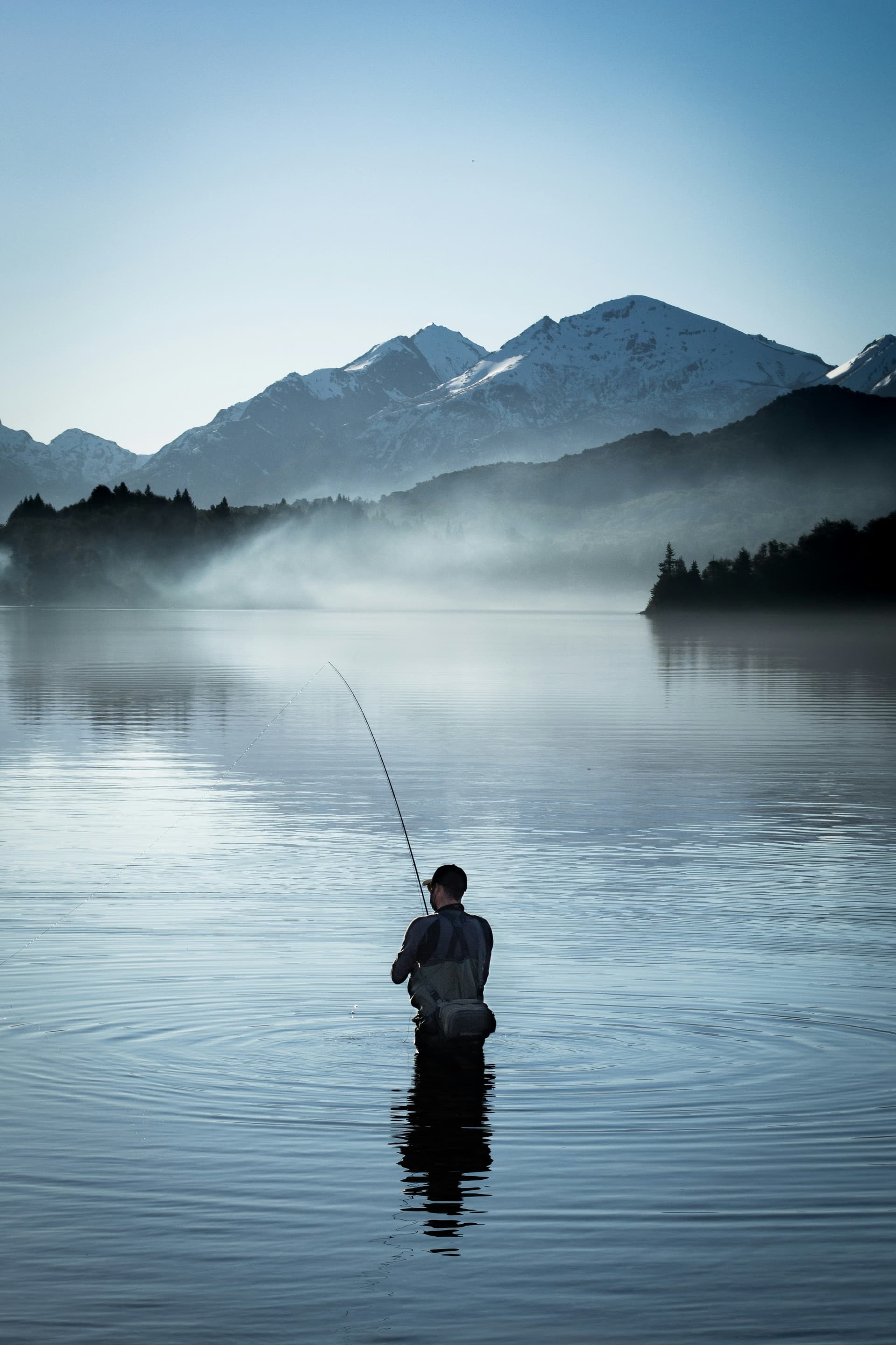
Walleye Fishing Tips: What a Week in Canada Taught Me
Walleye are a low-light, near-bottom fish, and the anglers who catch them consistently are the ones who fish deep, fish slow, and fish the edges of the day. Find structure, get your bait down near the bottom where walleye live, and work it patiently. That's the core of it, and it's held true on every walleye lake I've fished.
Most of what I know about walleye comes from trips to remote lakes in Canada with my uncle and a rotating group of family and friends. We'd go for a week and eat walleye at basically every meal, shore lunches of fresh fillets that ruined me for restaurant fish for life. Some of my earliest memories are of sitting in the boat as a kid playing a Game Boy with my cousin while the adults worked a reef. I've been around this fish a long time, and it's still one of my favorites to catch and, honestly, to eat.
Walleye Live Low and Feed in Low Light
The two facts that unlock walleye fishing are that they hold near the bottom and they feed most heavily when the light is low. Their eyes are built for it, that reflective layer that makes them glow in a flashlight also makes them deadly in dim conditions. When the sun's high and bright, walleye tend to pull deeper or tuck into cover and get lazy. When the light drops, they move up and feed.
That means your best windows are early morning, evening, and into dark. On our Canada trips, the evening bite was reliable, the water calming down, the light going gold, and the walleye turning on right when we were thinking about heading in for dinner. Overcast days extend the good fishing, and a little chop on the water, what walleye anglers call a walleye chop, breaks up the light and can turn on a daytime bite that flat calm would shut down.
Find the Structure
Walleye relate to structure and the bottom, so you're looking for the features that concentrate them. Rocky points and reefs, gravel bars, the edges of drop-offs, humps that rise up from deeper water, and the mouths of feeder creeks. On the Canadian lakes we fished, rocky reefs and points were the money spots, the kind of place where deeper water swings up against structure and baitfish gather.
The pattern that helped me most was thinking in terms of edges and depth changes. A walleye will sit at the base of a drop-off or along the edge of a reef, using the depth change as both an ambush point and an easy path between deep water and a feeding shelf. Work those transitions. If you're marking bait and structure together on a finder, you're in the right neighborhood.
Depth changes with the season and the light, but a good starting point is to look in that 12 to 25 foot range on many lakes, and shallower in low light when fish move up. Let the fish tell you where they are and adjust.
Slow Down and Fish the Bottom
Walleye usually want a slower, more deliberate presentation than bass. A few proven approaches:
- Jigs. A jig tipped with a soft plastic or live bait, worked slowly along the bottom, is the bread and butter of walleye fishing. Feel for the bottom, lift and drop, and keep it in contact. Bites are often a subtle tick or just weight, not a slam.
- Live bait rigs. A slip sinker rig with a nightcrawler, leech, or minnow, dragged slowly, is deadly. Walleye respond to natural bait and a slow presentation.
- Crankbaits and trolling. For covering water and finding active fish, trolling crankbaits along structure edges lets you present to a lot of walleye and dial in depth and speed.
The through-line is patience. When I've fished too fast for walleye, working a jig like I would for bass, I've come up empty next to people slowing down and grinding the bottom. This is not a reaction-strike fish most of the time. It's a fish you tempt with a slow, natural presentation right where it lives.
Bites can be light. A walleye often just inhales the bait and sits there, so you feel weight or a soft tick rather than a jolt. Pay attention, keep contact with your bait, and set the hook on anything that feels different.
A Few Things I've Learned the Fun Way
Fresh walleye is the best-eating freshwater fish I've had, and a big part of why those Canada trips stuck with me is the shore lunches. If you're keeping fish, bleed them and get them on ice, and the fillets will reward you. Just know your local regulations and slot limits.
Bring bug protection on northern lakes. The best evening bites come exactly when the mosquitos come out, and there's no point in being run off the water right when the fish turn on.
And don't underestimate how good the fishing gets right at the edge of dark. Some of the best walleye action I've seen was in that last half hour when most people had already reeled up and headed for camp. Walleye are built for that light. Fish it.
Walleye Fishing FAQ
What is the best bait for walleye? A jig tipped with soft plastic or live bait, worked slowly along the bottom, is the most reliable walleye presentation. Live bait rigs with nightcrawlers, leeches, or minnows are also excellent, and trolling crankbaits works well for covering water and finding active fish.
What time of day is best for walleye fishing? Low-light periods: early morning, evening, and into dark. Walleye have excellent low-light vision and feed most actively when the sun is off the water. Overcast days and a light chop can extend or improve the daytime bite.
Where do walleye hold in a lake? Near structure and the bottom: rocky points and reefs, gravel bars, drop-off edges, humps, and creek mouths. Walleye often sit along depth transitions, using them as ambush points and travel routes between deep water and feeding shelves.
How deep should I fish for walleye? It varies by lake and light, but 12 to 25 feet is a common productive range, with fish moving shallower in low light. Let your electronics and the fish guide you, and focus on structure and depth changes rather than a single number.
Why are walleye bites so hard to feel? Walleye often inhale a bait gently and hold it rather than striking hard, so a bite frequently feels like light weight or a soft tick. Keep constant contact with your jig or rig and set the hook on anything that feels different from the bottom.